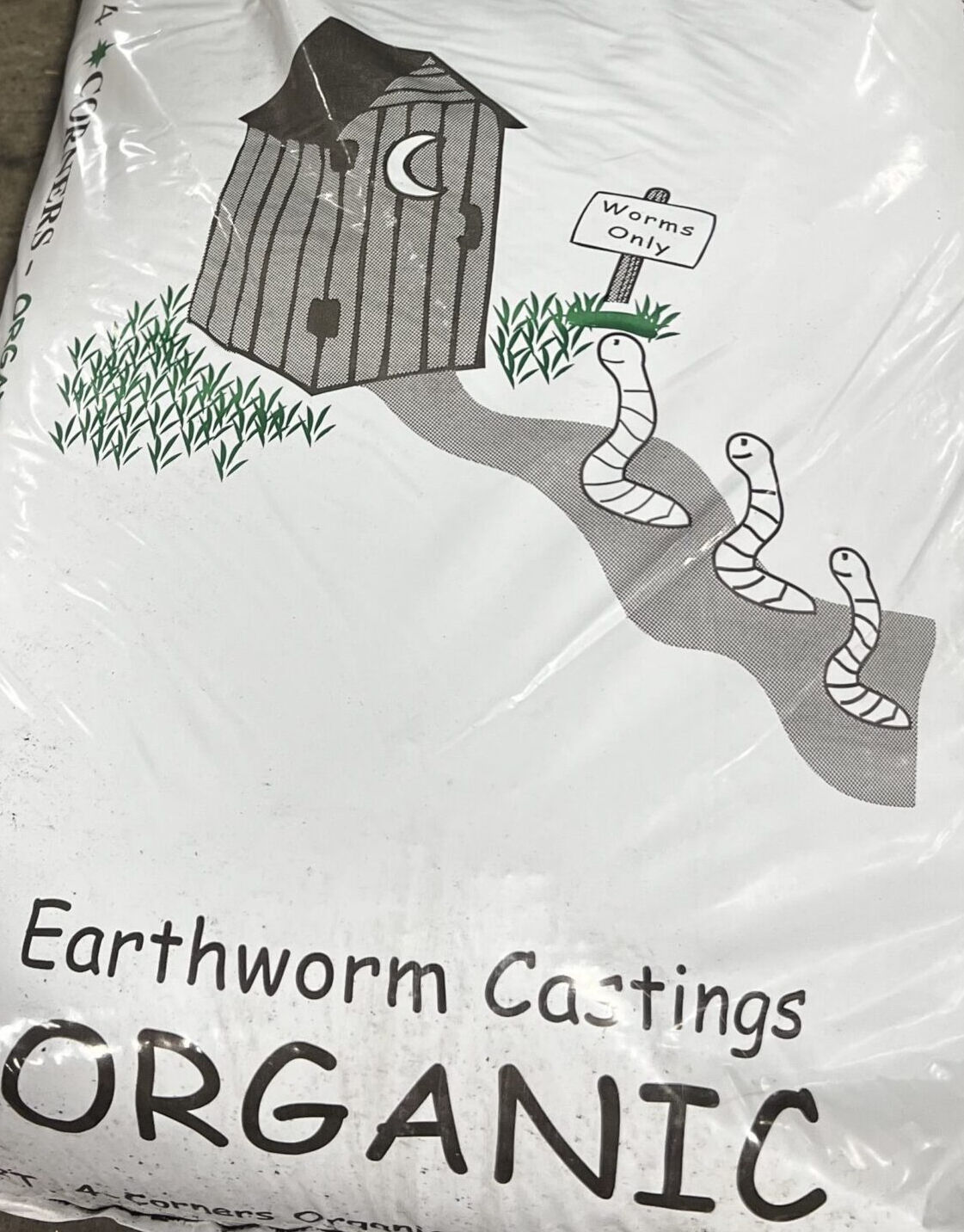
Worm castings — the digested output of earthworms fed on organic matter — are the closest thing gardening has to a perfect all-purpose soil conditioner. They improve soil structure, feed soil biology, and deliver a broad spectrum of nutrients and beneficial microbes in a form that is immediately available to plants and cannot be overapplied.
Unlike synthetic fertilizers or even some concentrated organic amendments, castings cannot burn roots. You can add them directly to seed-starting mix, press them into soil blocks, top-dress established plants, or mix them into container soil at any ratio without risk. That makes them uniquely valuable as a component in mixes where you want fertility without the hot spots that cause seedling stress or forking in root crops.
What castings actually do: Earthworms process organic matter through their digestive systems, breaking it down into humus, the most stable and biologically active form of organic matter. The result is rich in beneficial bacteria and fungi, plant growth hormones, humic and fulvic acids that improve nutrient uptake, and a balanced array of macro and micronutrients in chelated form that plants absorb readily.
How to use:
Seed starting mix: replace up to 20% of volume with castings for gentle slow-release fertility
Soil blocking mix: 1 bucket per batch in place of or alongside compost
Container top-dress: apply 1–2 inches over the surface and water in
Transplant hole: add a handful directly to the planting hole
Compost tea: steep 1 cup per gallon of water for 24–48 hours for a liquid soil drench
Annual refresh of grow bag mixes: 1–2 cups per 5 gallons of existing mix, worked into the top layer
OMRI listed for certified organic production.