Starting Seeds for Fall, Winter, and Spring Harvest in Portland

Updated: Jul 22
It hit 89 degrees the day I started this post (today it's a perfect 70-something), and while the last thing I was thinking while munching on the first cucumber from the garden is the February hunger gap, I suddenly realized, it's time to start thinking about it.
Coming from Maryland, where we grew one enormous garden in the spring and summer, then ate what we canned, froze, and stored all winter, the idea of harvesting fresh vegetables year-round still feels like magic. The abundance of juicy, colorful fruits like tomatoes and cucumbers is a sensory thrill, but the hardy and humble cool-season leaves and roots that provide fresh, hyperlocal nutrition the rest of the year deserve our appreciation. These are the vegetables that carry us through the darker months and provide the first greens, and purples (I'm looking at you, purple sprouting broccoli) when the summer garden is still in a newly delivered seed catalog.
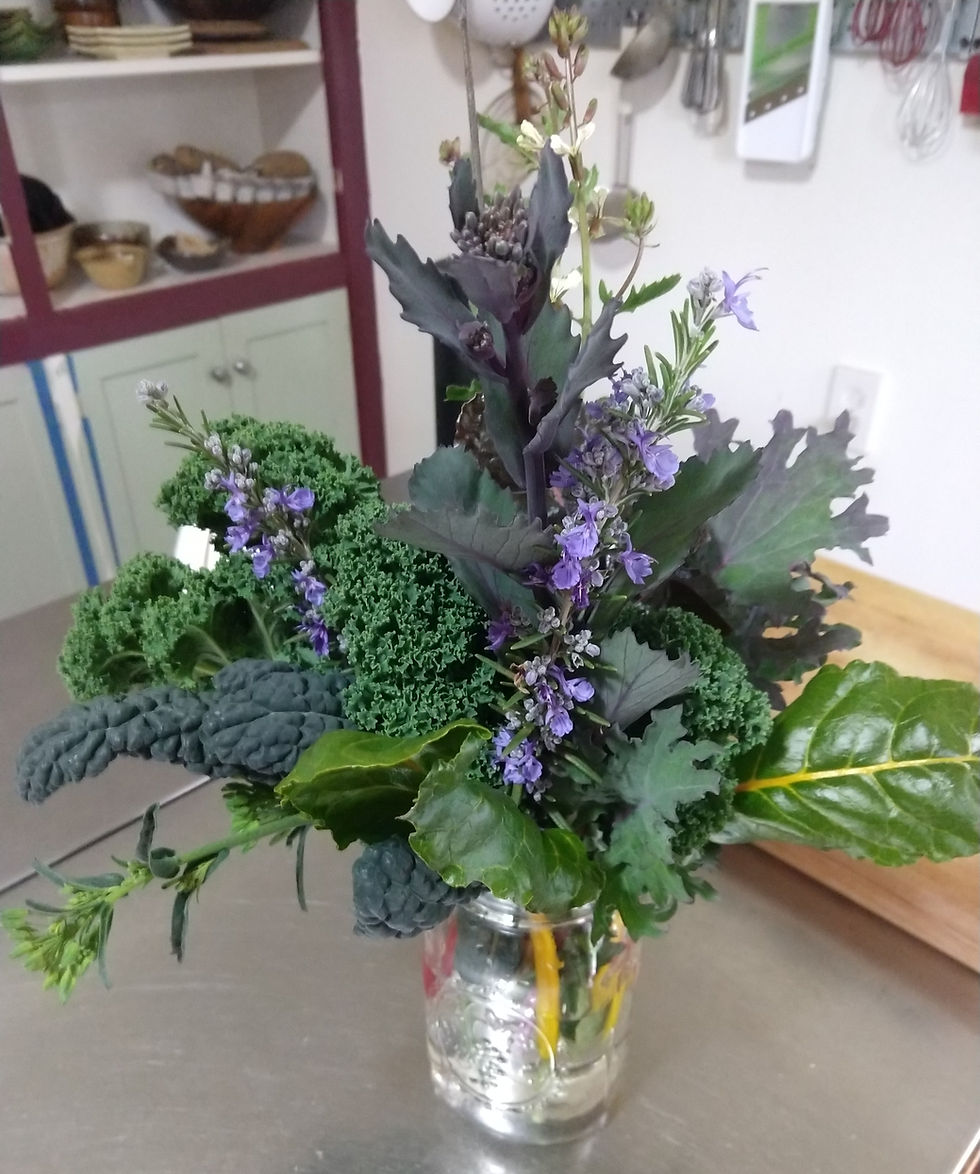
Our mild Pacific Northwest climate is perfect for cool-season gardening. The cooler weather makes working outside enjoyable again, cabbage worms and aphids finally begin to ease up, and many vegetables actually become sweeter after a few frosts.
The trick is that you have to start thinking about winter while it's still summer.
Most fall and winter crops need to do most of their growing before the days become short in late October. Once that happens, plants slow down dramatically. Some crops are harvested in the fall, some hold beautifully through winter like a living refrigerator, and others simply wait until spring before taking off again.
What can you plant now?
The table below assumes you're sowing seeds or transplanting starts in late July through August in the Portland area. The East Portland Plant Buying Club's vegetable seed collection includes varieties best suited for fall and winter growing in the PNW.
Crop | Fall Harvest | Winter Harvest | Spring Harvest |
Arugula | ✓ | ✓ | ✓ |
Beans (bush) | ✓ | ||
Beets | ✓ | ✓ Roots store well in-ground | |
Bok Choi / Pak Choi | ✓ | Mild winters | |
Broccoli (heading) | ✓ | ||
Broccoli (Gai lan) | ✓ | ||
Broccoli (sprouting) | Establishes over winter | ✓ Main harvest | |
Brussels Sprouts | ✓ Best after frost | ||
Cabbage (Heading) | ✓ | Storage varieties hold well | Overwintering varieties |
Cabbage (Napa) | ✓ Excellent | Harvested before hard freezes | |
Carrots | ✓ | ✓ Become sweeter after frost | |
Cauliflower (Fall) | ✓ | ||
Cauliflower (Winter) | Establishes over winter | ✓ Main harvest | |
Chard | ✓ | ✓ Often all winter | ✓ Fresh flush |
Chrysanthemum Greens | ✓ | ||
Cilantro | ✓ | ✓ Often survives mild winters | Flowers in spring |
Collards | ✓ | ✓ Excellent | ✓ Fresh growth |
Daikon | ✓ | ✓ Store well in the ground | |
Kale | ✓ | ✓ Peak season | ✓ Fresh growth |
Komatsuna | ✓ | ✓ | |
Lettuce | ✓ | Some varieties | |
Mustards | ✓ | ✓ | ✓ |
Parsley | ✓ | ✓ | ✓ |
Peas | ✓ | ||
Spinach | ✓ | ✓ | ✓ Excellent |
Turnips | ✓ | ✓ |
Many crops appear in more than one column because the exact harvest window depends on the variety you grow, when you sow it, and the weather. One of the joys of Pacific Northwest gardening is that the same planting can often provide food for months.
Direct sow or start in pots?
Not everything likes to be transplanted.
Direct sow
These are happiest when planted directly where they'll grow:
Beets
Carrots
Peas
Daikon and storage radishes
Radishes
Spinach
Turnips
Start in pots or seed trays
These usually transplant well and are easier to establish during hot summer weather:

Broccoli
Brussels sprouts
Cabbage
Cauliflower
Collards
Kale
Lettuce
Napa cabbage
Pak choi
Tips for summer sowing
Plan ahead. Figure out where your fall garden will go before your tomatoes and squash come out. You can start seedlings nearby, but leave enough space that pulling summer crops won't disturb their roots.
Keep seeds cool and moist. Hot soil dries quickly. Use a moisture-retentive seed-starting mix, water consistently, and provide afternoon shade for seed trays.
Shade is your friend. Morning sun and afternoon shade produce much happier seedlings than baking them in full afternoon sun. A piece of shade cloth or even a lawn chair can make all the difference.
Harden seedlings off gradually. Move them outdoors for increasing amounts of sun and wind for about a week before transplanting.
Prepare the soil. Summer crops are heavy feeders, so replenish beds with compost and a balanced organic fertilizer before planting your fall garden.
Mulch after planting. A light layer of straw or other mulch keeps the soil cooler, conserves moisture, and helps young plants get established. Just keep mulch pulled back a couple of inches from the stems to reduce the chance of rot.
One last thought
One of the biggest mindset shifts for new Pacific Northwest gardeners is realizing that August isn't the end of the gardening season—it's the beginning of the second one.
While everyone else is mourning their tomatoes, you'll be sowing the vegetables that will feed you through fall, winter, and into spring. There's something deeply satisfying about harvesting kale in January, pulling sweet carrots in February, and cutting the first purple sprouting broccoli just as everyone else is paging through seed catalogs and waiting for spring.


Comments